UGC Video Examples: A Guide to User-Generated Content Videos

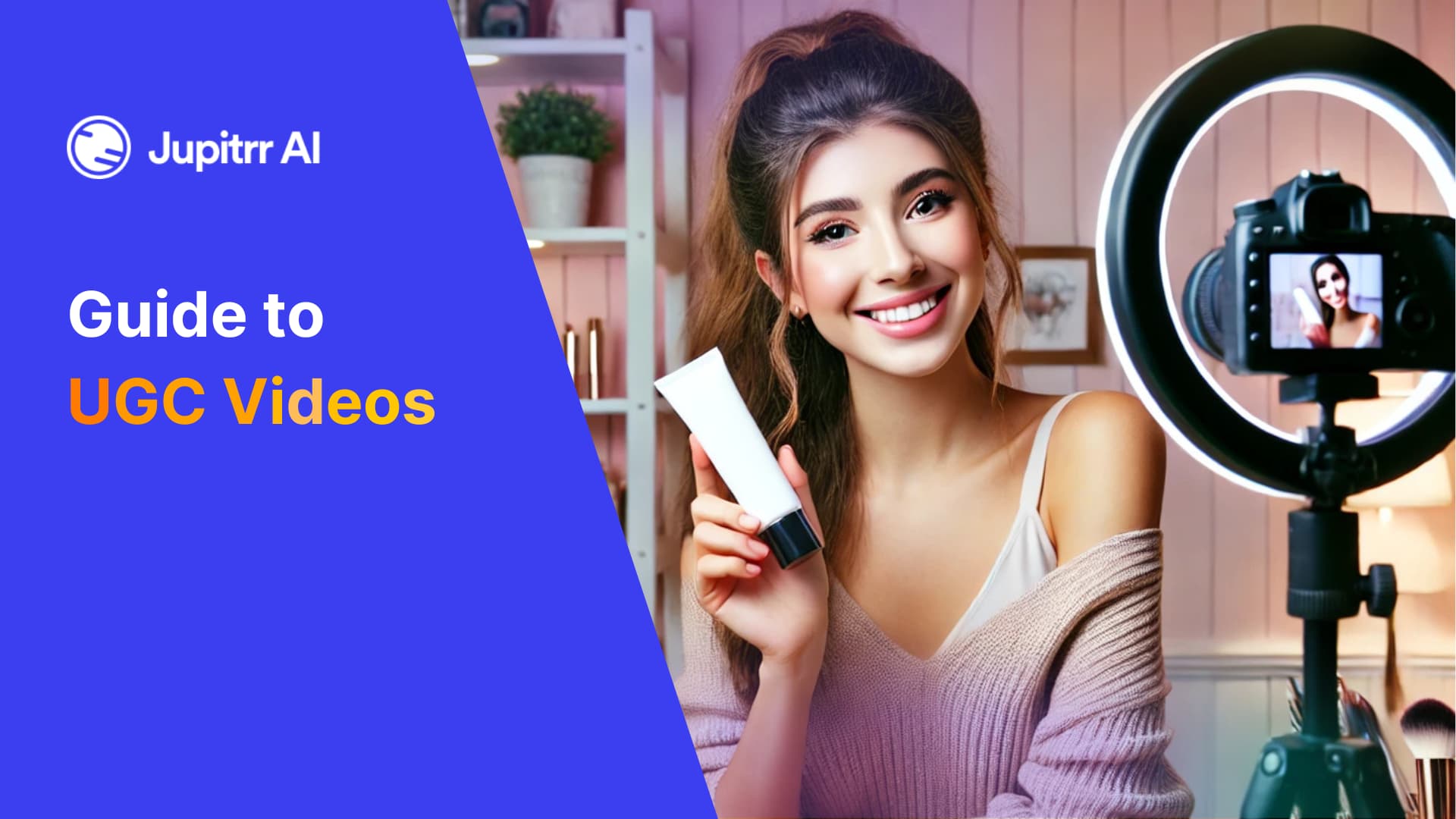
User-generated content or UGC videos are one of the most powerful marketing tools today. These videos, created by real users rather than brands, help build trust and authenticity. From product reviews to tutorials, UGC videos drive engagement and influence purchasing decisions.
This article will explore different types of UGC video examples, their benefits, and what kind of videos consumers love to share.
What Is UGC Video Content?
UGC video content refers to videos created by customers, influencers, or regular users featuring a brand’s product or service. Unlike branded advertisements, UGC videos feel more authentic because they come from real users sharing their experiences.
These videos can appear on platforms like Instagram, YouTube, TikTok, and Facebook. Brands often encourage UGC videos through campaigns, challenges, or giveaways.
What Are the Benefits of UGC Videos?
UGC videos offer multiple advantages for both consumers and brands.
- Authenticity: Viewers trust content created by real users more than traditional ads.
- Engagement: UGC videos get more likes, shares, and comments, increasing social media reach.
- Cost-Effective Marketing: Brands get free or low-cost promotions through user-generated content.
- Social Proof: Potential buyers are influenced by seeing real people using and recommending a product.
- SEO and Visibility: UGC videos help brands rank better on search engines and social platforms.
Now, let’s explore different types of UGC video examples.
Types of UGC Videos with Examples
1. Product Review Videos
Product review videos are among the most common forms of UGC. In these videos, creators share their honest opinions about a product after using it. They discuss the pros and cons, their personal experiences, and whether they recommend the product. These reviews help potential buyers make informed decisions by showcasing the product’s performance, quality, and value. Many consumers trust these reviews over traditional advertisements because they come from real users.
📌 Examples:
2. Product Usage Tips
These videos focus on demonstrating how to use a product effectively. The creator shares useful tips and tricks while incorporating the product into their routine. For example, a fitness influencer might share workout tips using a resistance band, or a makeup artist could showcase the best way to apply a foundation. This type of content helps viewers understand how a product can add value to their lives.
📌 Example:
Pro Tip: Jupitrr AI helps to add such captions to your video in a single click!
3. Before and After Videos
Before-and-after videos highlight the transformation achieved using a product. These are especially popular in beauty, fitness, home improvement, and skincare industries. The creator first shows what something looked like before using the product and then reveals the results after consistent use. This format is effective in proving a product’s effectiveness, as it provides visual proof of the difference it makes.
📌 Example:
4. Vlogs
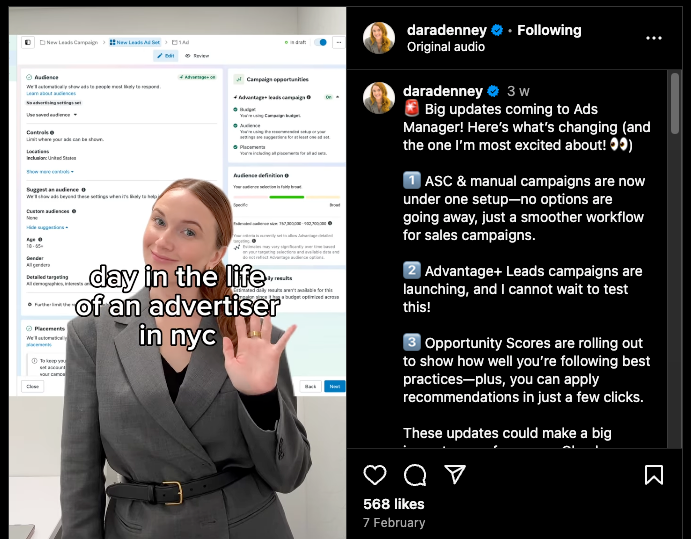
Vlogs are personal, day-in-the-life-style videos where creators document their daily activities and casually mention a product they use. These videos feel more natural and less like a direct promotion. Since the product is integrated into real-life moments, it appears more relatable and trustworthy. Many lifestyle influencers and travel bloggers use this format to showcase their favorite products while sharing their experiences.
📌 Example:
5. Tutorials
Tutorials provide step-by-step guidance on how to use a product. These videos are particularly popular in the beauty, tech, DIY, and cooking industries. A tutorial can show how to set up a new gadget, apply a skincare product, or create a specific look using a makeup palette. These videos not only educate the audience but also increase the chances of them purchasing the product.
📌 Examples:
6. Educational Content
Educational UGC videos provide valuable knowledge while subtly incorporating a product. These videos can be about any topic—health, finance, science, or personal development—but they always include a product in some way. For instance, a financial influencer might create a video about budgeting and recommend a finance app, or a science content creator might conduct an experiment using a particular tool.
📌 Example:
7. Unboxing Videos
Unboxing videos capture the excitement of opening a new product for the first time. The creator showcases the packaging, shares their first impressions, and provides an overview of what’s included in the box. This type of content is popular for tech gadgets, beauty products, and subscription boxes. Unboxing videos help potential buyers see exactly what they’ll receive before making a purchase.
📌 Example:
8. List Videos
List-style videos feature multiple products in a single video, usually in a ranked or categorized format. These are great for comparison videos, gift guides, or "top 5" lists. For example, a content creator might share a list of the best budget-friendly skincare products or the top gaming laptops of the year. These videos help viewers explore multiple options in one place, making them highly informative.
📌 Example:
9. Challenge-Based UGC
Challenge-based videos are interactive and fun, often featuring a trending challenge that incorporates a brand’s product. For example, a fitness challenge might involve using a particular workout supplement, or a beauty challenge could be about applying makeup in a unique way. These videos encourage audience participation, which boosts engagement and brand awareness. Many brands create their own challenges to go viral.
📌 Example:
10. Giveaway Videos
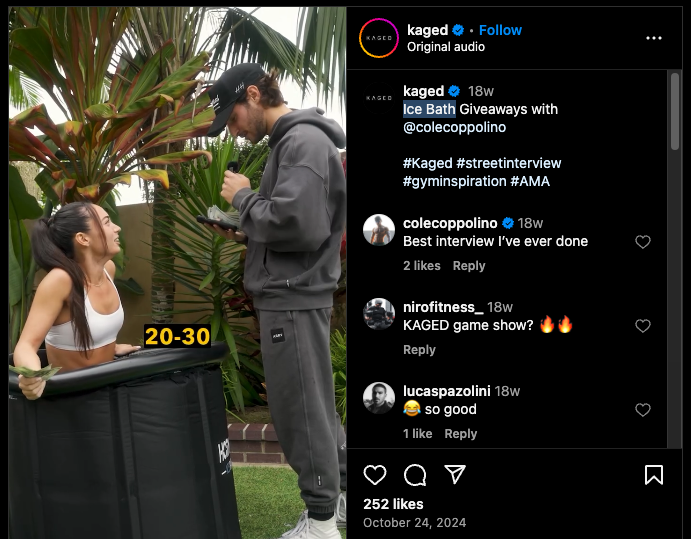
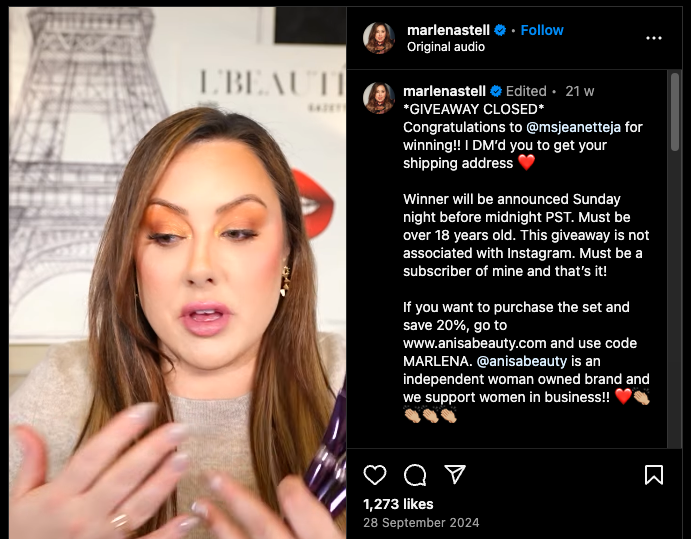
Giveaway videos promote products by offering free items to lucky participants. Creators announce a giveaway, share rules for entering, and showcase the product being given away. This type of content generates excitement, increases engagement, and attracts new followers. Many brands collaborate with influencers for giveaways to expand their reach and build brand loyalty.
📌 Example:
What Types of User-Generated Videos Do Consumers Share?
Consumers share UGC videos that feel relatable, informative, or entertaining. Here are the most common types:
- Authentic Reviews: Honest opinions from real users get more engagement.
- Funny or Entertaining Content: Humorous videos tend to go viral.
- Transformation Videos: Before-and-after clips showcasing results attract attention.
- How-To Guides: Tutorials help others understand how to use a product effectively.
- Trendy Challenges: Viral trends encourage users to participate and share.
- Aesthetic Content: Well-edited, visually appealing videos perform well on platforms like Instagram and TikTok.
How to Collect More UGC Videos
Encouraging users to create UGC videos requires the right strategies. Brands need to make it easy, rewarding, and exciting for customers to share their experiences. Here are some proven methods to collect more UGC videos:
1. Create a Branded Hashtag
A branded hashtag makes it easier for users to tag and share their UGC videos. It also helps you track submissions on platforms like Instagram, TikTok, and Twitter. Keep the hashtag short, memorable, and related to your brand or campaign.
2. Run UGC Video Contests
Contests encourage users to create and submit videos in exchange for prizes. You can ask customers to showcase their experience using your product, participate in a challenge, or share creative ways they use it. Offering incentives increases participation and engagement.
3. Launch a UGC-Based Challenge
Challenges work well on platforms like TikTok and Instagram. Create a fun challenge around your product and encourage users to participate by posting their own videos. The more viral the challenge, the more organic UGC content you’ll collect.
4. Feature UGC on Your Social Media
Showcasing user-generated videos on your social media platforms motivates others to participate. When customers see their content being reshared by a brand, they feel valued and are more likely to create more content.
5. Offer Incentives Without Running a Contest
Some users don’t need a full contest to participate—they just need a little motivation. Offer discounts, early access to new products, or exclusive perks to customers who create UGC videos.
6. Partner with Influencers and Micro-Influencers
Influencers and micro-influencers already have engaged audiences that trust their recommendations. Partnering with them to create UGC videos boosts brand credibility and encourages their followers to do the same.
7. Ask Customers Directly
Sometimes, simply asking customers works best. After a purchase, brands can send an email or SMS requesting a video review. Make it easy by providing clear instructions on what kind of video to create and how to submit it.
8. Encourage UGC During Events
Live events, product launches, and brand activations provide a great opportunity for collecting UGC. Ask attendees to film their experience and share it on social media using your branded hashtag.
9. Use Interactive Features on Social Media
Platforms like Instagram and TikTok offer interactive features like polls, Q&As, and challenges that encourage engagement. Asking users to submit video responses through these tools can increase UGC submissions.
How to Use UGC Videos in Your Marketing Strategy
Once you collect UGC videos, the next step is integrating them into your marketing strategy. Here are different ways to leverage these videos for maximum impact:
1. Feature UGC Videos on Your Website
Embedding UGC videos on your website builds trust and credibility. Use them on product pages, homepages, and testimonial sections to show real customers using and enjoying your products. This helps potential buyers make informed decisions.
2. Use UGC in Paid Ads
Including UGC videos in your paid advertising campaigns makes ads feel more relatable and trustworthy. Social media platforms like Facebook, Instagram, and TikTok allow brands to run ads featuring real customer testimonials and product reviews.
3. Share UGC on Social Media
Posting UGC videos on your social media channels keeps your content fresh and engaging. It also shows appreciation for your customers, encouraging more people to create content for your brand.
4. Integrate UGC in Email Marketing
Adding UGC videos to email marketing campaigns makes emails more engaging and credible. Instead of just showcasing product images, include real customer videos to increase click-through rates and conversions.
5. Include UGC in Product Launches
When launching a new product, featuring UGC videos from early testers or influencers helps build anticipation. Real experiences from real people add authenticity and excitement to the launch.
6. Create UGC Video Playlists on YouTube
Organizing UGC videos into themed playlists on YouTube increases watch time and engagement. For example, you can have separate playlists for product reviews, tutorials, and unboxings.
7. Repurpose UGC for Blog Content
Adding UGC videos to your blog posts enhances credibility. If you write a blog about your product, embedding UGC videos within the article makes it more engaging and persuasive.
8. Display UGC on Digital Signage and In-Store Screens
For physical stores, using UGC videos on digital screens enhances the customer shopping experience. Displaying real customers using your products in stores builds trust and encourages purchases.
How to Get the Most Out of Your UGC Videos?
To maximize the impact of your UGC videos, you need the right strategy. Here’s how to get the best results:
1. Choose High-Quality UGC Videos
Not all UGC videos will be suitable for marketing. Select videos that have good lighting, clear audio, and engaging content. High-quality videos perform better on social media and advertisements.
2. Optimize UGC Videos for Each Platform
Different platforms have different video formats and requirements. Ensure that your UGC videos are edited to fit the recommended size, aspect ratio, and length for each platform (e.g., vertical for Instagram Reels and TikTok, horizontal for YouTube).
3. Add Branding to UGC Videos
While UGC videos are created by customers, adding subtle branding elements like logos, captions, or product mentions helps reinforce brand identity. Keep it minimal to maintain authenticity.
4. Edit and Enhance UGC Content
Slightly enhancing UGC videos can make them more engaging. Basic editing like trimming unnecessary parts, improving audio quality, and adding captions can make the content more polished without losing its authenticity.
5. Use UGC in Retargeting Campaigns
Retargeting ads using UGC videos are highly effective because they show real customer experiences to people who have already shown interest in your brand. This helps convert potential buyers into customers.
6. Monitor Performance and Optimize
Track the performance of UGC videos to understand what works best. Analyze engagement rates, conversions, and audience reactions, then refine your strategy accordingly.
7. Encourage More UGC Continuously
UGC collection should be an ongoing effort. Keep encouraging customers to create content by regularly running challenges, contests, and campaigns that involve video submissions.
8. Engage With UGC Creators
When users create UGC videos, engage with them by liking, commenting, and resharing their content. This strengthens relationships and encourages more people to participate.
Conclusion
UGC videos are a powerful marketing tool, but their true impact depends on how you collect, use, and optimize them. By implementing strategies to gather more UGC, integrating them into your marketing efforts, and maximizing their effectiveness, you can boost engagement, increase conversions, and build long-term brand trust.