What is a Video Montage?

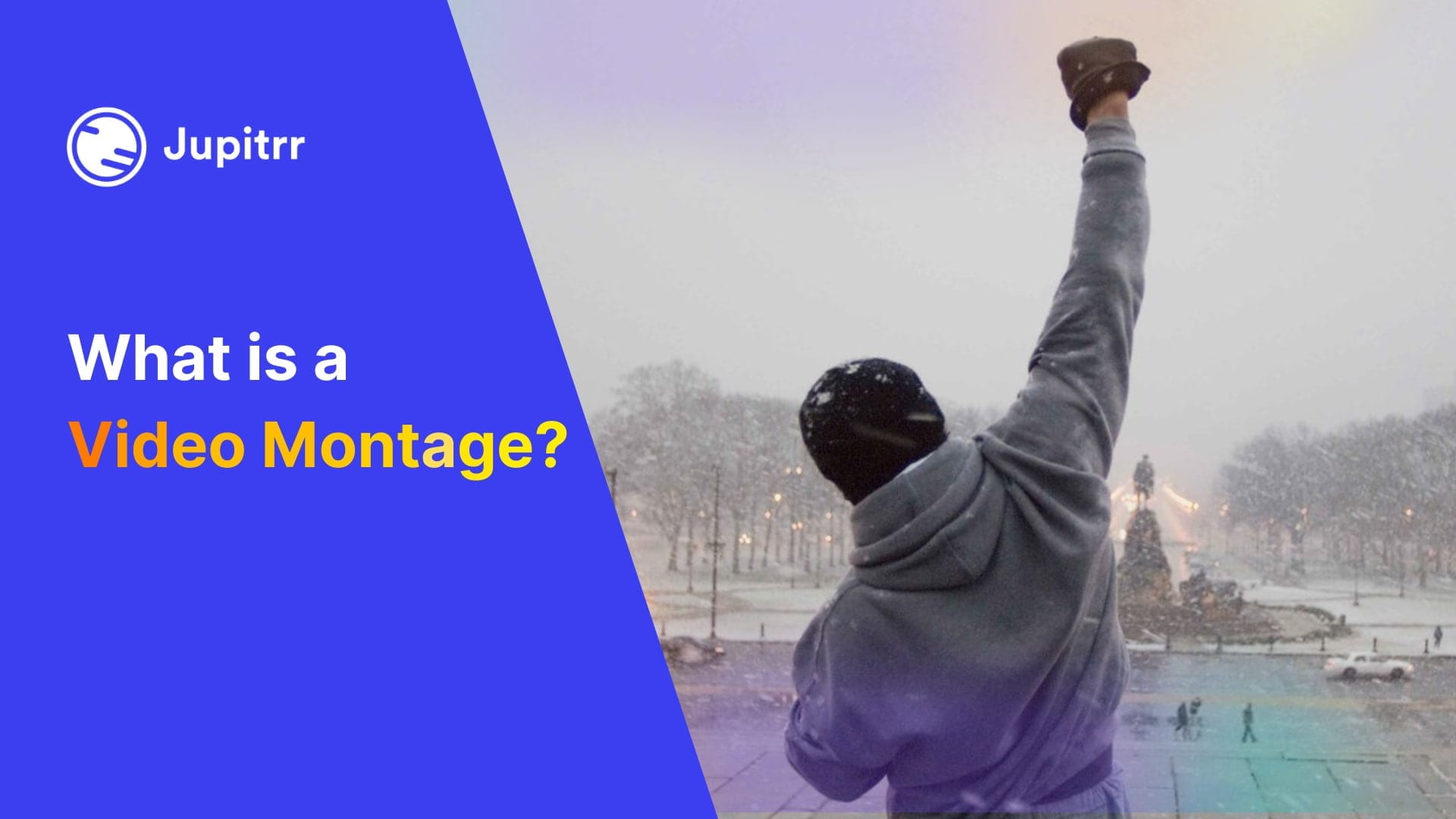
Montages are the heart of some of the greatest movies.
I can't forget the iconic montages like Tony Stark building the suit in a cave or Mr. Han training Dre in Karate Kid. The montages live in my memory rent-free.
But what is a Video Montage exactly and why is it important for any video?
Well, let's see what are video montages, their history, the important elements of a video montage and a list of some of the iconic video montages in history.
What is a Video Montage?
A montage scene with music - showing the team upgrade scene in Big Hero 6
A video montage is a creative technique used in filmmaking and video editing where various short video clips, often combined with photos and other visual elements, are arranged and edited together into a single sequence.
This sequence is typically set to music or a voiceover narration and aims to tell a story, convey a message, or evoke an emotional response from the viewer.
Short clips, fast-paced editing, and a clear focus help video montages tell a story efficiently. Some filmmakers even use B-rolls to create a montage scene.
By condensing events into a short timeframe, montages can showcase a character's development over time, compress long journeys or routines, or build anticipation towards a climactic moment.
Also read: How to add music to a YouTube Video on PC or Mobile?
Why do you need a Video Montage?
Video creators use video montage for a lot of reasons, each contributing significantly to the overall quality and impact of the video or the film. Here are some of the key benefits:
1. Crafting Compelling Narratives: A montage allows creators to condense extensive periods or complex narratives into a concise and engaging format. By selecting key moments and arranging them effectively, creators can guide viewers through the story's progression, character development, or the passage of time in a captivating way.
2. Enhanced Pacing and Focus: A well-edited montage can significantly improve the video's pacing by eliminating unnecessary or repetitive footage. This focused approach keeps viewers engaged and prevents their attention from waning.
3. Evoking Emotions: Montages, through carefully chosen visuals, music, and editing techniques, can effectively evoke a range of emotions in viewers. The fast-paced cuts, specific visuals, and accompanying music can create a sense of excitement, build suspense, or even induce nostalgia, depending on the creator's intent.
4. Adding Dynamism and Visual Interest: Montages by their very nature, with their rapid succession of shots and visual variety, inherently add a layer of dynamism to a video. This can be particularly beneficial when the raw footage lacks inherent visual interest, keeping viewers engaged and visually stimulated.
5. Highlighting Specific Aspects: Creators can leverage montages to emphasize specific aspects they want viewers to focus on. By stringing together relevant clips, they can showcase a particular skill, document a process, or present key points clearly and concisely.
Do you know what else makes your videos better? Stock videos and images!
What is the Soviet Montage Theory?
Soviet Montage Theory, pioneered by filmmakers like Lev Kuleshov, Vsevolod Pudovkin, and Sergei Eisenstein, revolutionized the concept of montage in cinema.
At its core, the theory posits that the juxtaposition of two independent shots can create a new, third meaning through the viewer's perception and interpretation.
This concept, known as the "Kuleshov Effect," demonstrates how the context in which shots are presented can profoundly influence the audience's emotional and intellectual response.
Types of Video Montages highlighted by Sergei Eisenstein
Metric Montage
An Example of a Metric Montage
Metric Montages focuses on the length and rhythm of shots to create a specific pacing or tempo within the montage.
Rhythmic Montage
Example of Rhythmic Montage
Rhythmic Montage videos emphasize the movement and action within the shots, often synced with music or sound effects, to evoke a particular rhythm or mood.
Tonal Montage
This scene in the movie "The Revenant" is an example of a Tonal Montage
Tonal Montages utilizes the emotional atmosphere and visual style of shots to create a specific overall tone or feeling for the montage.
Overtonal or Associative Montage
Example of Overtonal Montage
Ovetonal Montage aims to create deeper meaning and connections beyond the surface level by juxtaposing seemingly unrelated shots to evoke associations and interpretations in the viewer's mind.
Intellectual Montage
Intellectual Montage used in the movie - V for Vendetta
Intellectual montage employs the sequence of shots to convey a specific idea or message, often relying on symbolism and juxtaposition (placing parts of different videos next to each other) to prompt critical thinking and analysis in the viewer.
Other types of Video Montages
Narrative Montage: Directly advances the storyline by showcasing key events or moments in a condensed format.
Training Montage: Typically used in movies and shows to depict a character learning or mastering a skill through a rapid succession of training sequences.
Emotional Montage: Aims to evoke specific emotions in the viewer through the selection of visuals, music, and editing techniques.
Humorous Montage: Uses comedic timing, editing choices, and humorous visuals to create a lighthearted and entertaining sequence.
Important Elements of a Montage
A great montage is all about grabbing the audience and hitting them right in the feels. There are a few important elements of a Montage that really make it work:
- Shot Selection: Every single frame has to push the story forward, stir up emotions, or drive home a specific message. No filler shots are allowed.
- Visual appeal: The shots themselves need to be clear, interesting, and beautifully composed. That's what keeps people hooked.
- Variety of Shots: Mixing up the shot sizes and angles makes the montage feel dynamic and engaging instead of just one boring note.
- Editing: How you cut those shots together, the lengths, the transitions between them - that's what gives the montage its rhythm and flow. It's like musical editing to play with the audience's emotions.
- Sound: The music and sound effects set the whole vibe. They guide your eyes to the important stuff and amplify the impact tenfold.
Try creating a montage by adding stock videos and images to your video using Jupitrr for free.
Montage Examples that are seen in Films
Up
Karate Kid
Rocky
Fight Club
Final words
Video montages are an important part of any movie, film or YouTube Video. ile making a montage for your video and grab people's attention.
Many YouTubers are now adopting these techniques to make their vlogs better. One example would be Casey Nestate who has been including montages in every one of his videos for a decade.
However, do you know what really helped him grow globally? That's Subtitles. Each of his videos has subtitles, either auto-generated or he added subtitles manually on YouTube.
Jupitrr is the easiest way to add subtitles to your video or add stock videos as well.